structuring REC like TEAM
Click PLAY or watch it on YouTube. (11min)
(via GYMNAST CROSSING)
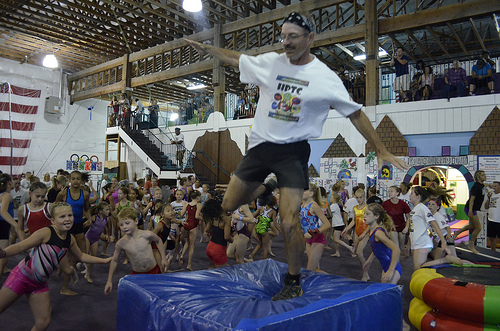
click to watch

Gymnastics Australia:
More than 180 gymnasts, including a team of ten athletes with an average age of 70.4 years-old, will descend on Byron Bay this week to participate in Australia’s third Gym4Life Challenge from 11 to 13 July.
Thirteen teams from five states around the country will perform a range of different styles of gymnastics and dance in groups of three or more to show that gymnastics is a sport for everybody, regardless of age, gender or ability. We can expect to see exciting combinations of power tumbling, acrobatics, dance, ribbons and mini trampoline. …
Swing Big:
… one of the drills I do with young gymnasts to develop their punching and coordination. …
There are lots of ways you can do these drills, this is with a small hula hoop, but I really prefer carpet squares or a chalk box on the floor. The more ways you can get gymnasts punching and jumping early, the better off they’ll be. …

click through to see the rest – Quick Tip: Developing Punching and Coordination
(via Gymnastics Coaching)
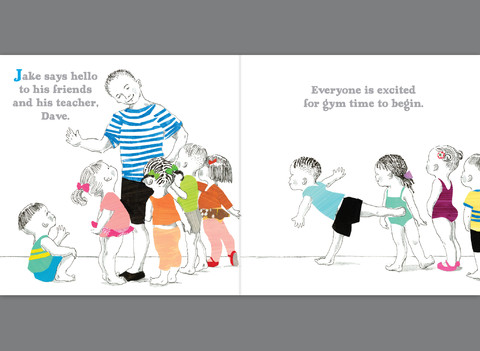
… Jake, a little boy with a cute bowl-cut hairdo, who kicks off the story by greeting his classmates and his teacher, Dave. In the all-around welcoming environment Isadora presents, children are happy and well cared for and are eased into a gym routine with stretches and creative play (“Let’s be frogs and hop today”). The kids are adorably round and smiley, ready to crawl through the tunnel, walk on the balance beam, and hang on to the parallel bar. …

Hey Rick, thanks for the shout out!!!! Much appreciated.
LikeLike
… As a six-year-old she developed cancer and had to have her leg amputated just two years after her mum died of the same disease.
Iona … was diagnosed with osteosarcoma – a type of bone cancer – in 2008.
Her right leg was amputated below the knee as a result.
The youngster, from Jordanhill, Glasgow, loves showing off her moves to other children and their parents who are in a similar situation and contemplating what life will be like after an amputation. …
… “Everyone trains at the same time and kids with disabilities are treated like everyone else.
“Iona does floor, vault, beam and bars and this new blade is ideal for her. …
“My prosthetic leg can feel quite heavy when I’m doing sport and this blade is brilliant,” she said.
“It’s been specially designed for me to have extra support at the heel, which helps me balance when I’m on the beam. It definitely helps me be better at gymnastics.”
🙂
(via GymCastic)
Nick English, a non-gymnast adult, for some reason decided to learn a “back flip”:
… As I entered the sprawling gymnastics playground that is New York’s Chelsea Piers, I tried to forget that the piers were the Titanic’s intended final destination. …
3 Exercises to Prepare Your Body to Backflip
1. Hanging tuck-up: While keeping the chin tucked ever so slightly downward, bend the knees up toward the head, crunching the core and rotating the body as far backward as possible. Perform the move very fast, as the goal is to improve flipping speed.
2. Box jump: Focusing on height, rather than depth, leap onto as high a platform as possible. Repeat as much as is comfortable.
3. Lying bent-knee leg raise : With the knees bent and the lower torso rising off the ground, lift your legs towards your head. This is like a horizontal version of the hanging tuck-up. Perform the movement with arms stretched above the head, and it will train the body to not swing them too far backward during a flip. …
Did it work?
Click PLAY or watch it on YouTube.
(Okay, I acknowledge that Jon gave me a teeny tiny spot in this video—we didn’t film the two flips I did on my own. You’ll have to take my word for it.)
read more – Greatest – Don’t Try This at Home: How I Learned to Do a Backflip in Just 4 Weeks
by Darlene “the Bean”.
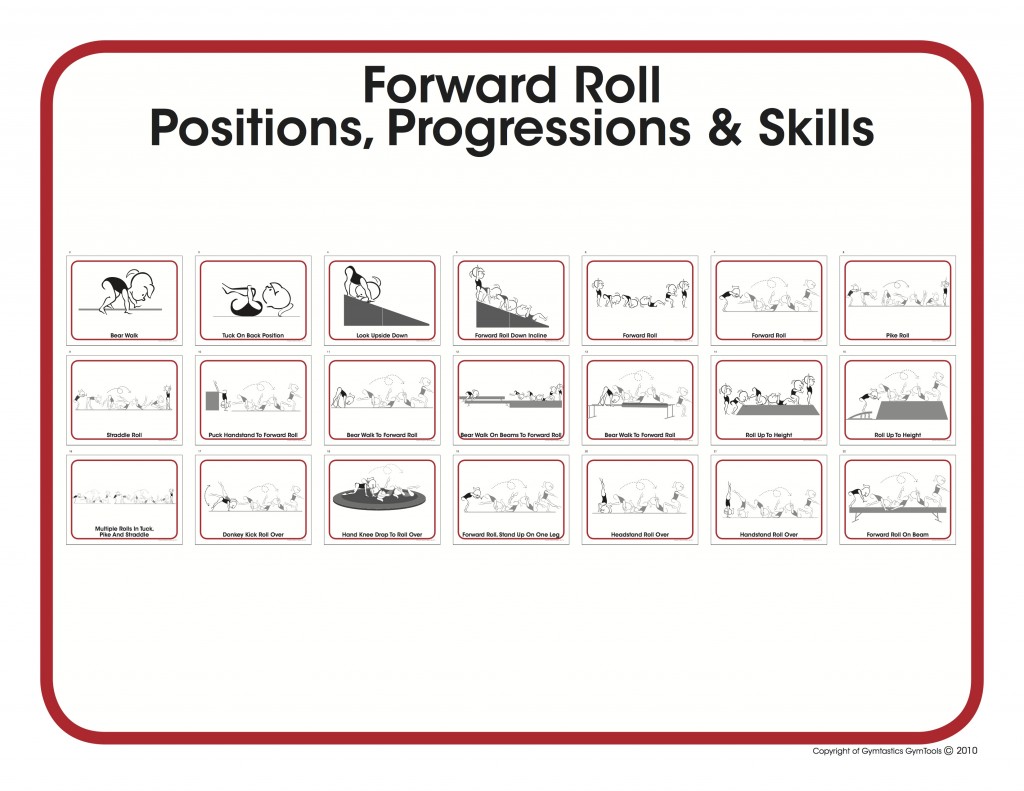
GymtasticsGymTools.com – Progressive Exercise Programs Keep Building on the Basics
Gymnastics Zone posted the best summary of this issue I’ve seen:
Beginner Backward Roll Safety Concerns
Bottom line, … do backward roll activities very, very cautiously. The younger the children, the bigger their heads relative to the rest of the body.

If they need spot, they are not ready for backward roll.
I’ve even seen Adult Recreation gymnasts sore after doing backward roll on a hard, flat surface. 😦
It’s a tricky skill.
Downhill is far safer.


Reply