Sport Wales – Physical Literacy
Click PLAY or watch it on YouTube.
(via Avril Enslow)
click to watch

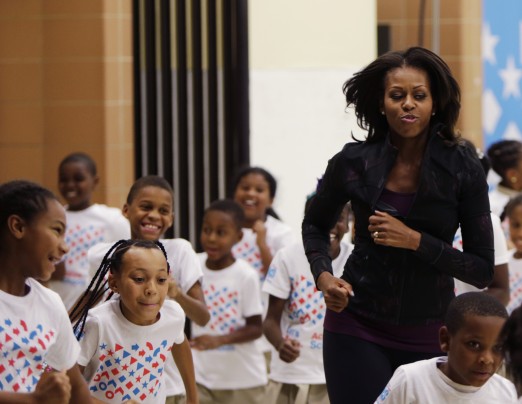
NPR’s health channel, Shots, reports on a long-term UK study that found a connection between good grades and physical activity in 11-year old kids. The study found that the more active kids were, the better they did on standardized English, math, and science tests.
The ideal target here was 60 minutes a day of moderate to vigorous exercise. Few kids were getting that much activity though. The average time was 29 minutes a day for boys and 18 minutes for girls. …
Active Life – Physically active kids are better at science
related – Health & Science – Physical activity may help kids do better in school, studies say
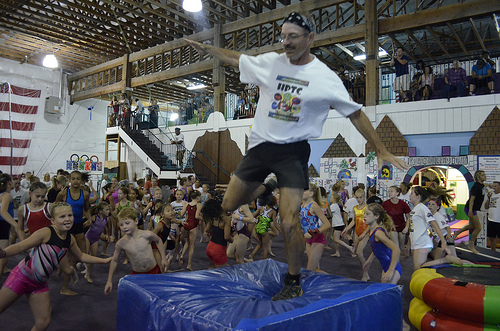
B.C. Gymnastics via email
Physical Benefits
Social Benefits
Cognitive Benefits
Character Benefits

Arizona Sunrays
Kayla Bonnel interview by Calgary ShawTV.
Click PLAY or watch it on YouTube.
Mara Coles interview.
Click PLAY or watch it on YouTube.
CGC finishes their Rec sessions in November. Dedicates all of December to “camps”.
Thanks Brett.
That’s the title of a new BC Play Gymnastics post:
Studies show that during the winter months, physical activity levels drop considerably. According to Stephen Parker from Health Guidance, “exercise patterns are highly seasonal. Activity in the winter and autumn months falls to half of the summer high”. (1) Why? probably because it is cold, wet and snowy outside and the motivation to get out and be active drops.
But …
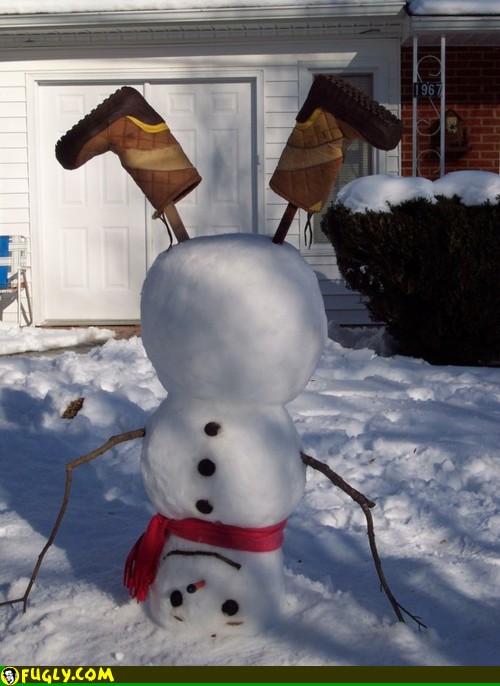
Gymnastics provides the core skills of agility, balance and coordination needed to feel confident on the mountains, participating in your favourite snow sport, or even just getting outside and going for a long winter walk. Plus strength and balance help make the best snowman!
read more – Use gymnastics to build the best snowman
Kyle Shewfelt won the Gold medal on Floor at the 2004 Olympics.
He recommends we train in playgrounds. After all, many sit empty. 🙂
Click PLAY or watch it on YouTube.
Playground conditioning is ideal for those who travel a lot. Kyle included.
Tumbl Trak:
Our last Choose Your Habits coaching clinic was hosted by Arizona Sunrays. Ambassador Rick McCharles and (former Arizona Wildcat star) Sunrays Competitive Team Director Nikki Beyschau co-taught.
26 coaches from 6 clubs attended. The diverse group included instructors in Trampoline & Tumbling, dance, Rhythmic, Cheer, CrossFit and Mobile Gymnastics. We were thrilled to find that preschool guru Jeannie McCarthy is now at Sunrays. 🙂
Themes of the day included:
• positive coaching
• alternatives to spotting
• safer, faster, easier, FUN learning
• teaching good shapes … and avoiding mis-shapes
• motor & physical fitness
• life skills (e.g. discipline, respect, listening)
• positive coaching …Click PLAY or watch Nikki teaching Floor & Bar on YouTube.
Tumbl Talk – Teaching good habits in Phoenix
LaunchPad is a Gymnastics Australia initiative and combines fundamental gymnastics activities and programs who develop broad movement skills in children (0-12 years) through fun, safe and challenging activities.
LaunchPad’s programs are all about fundamental movement. They’ve been especially designed to provide children the opportunity to practice, develop and, most importantly, enjoy moving through a wide-range of activities that will help them to develop physically, socially and cognitively.
Click PLAY or watch it on YouTube.
Kindergym
Gym Fun
Gym Skills
Levels are well named. 🙂
Published 2004, Rescuing the Emotional Lives of Overweight Children: What Our Kids Go Through — and How We Can Help is a book by Sylvia Barkan Rimm.
Dr. Sylvia Barkan Rimm (born 1935) is an American psychologist specializing in parenting, child development and learning. She has written books on raising gifted children, success for girls, and communication skills.
… In a recent study of 15 countries, including the United States, the U.S. had the dubious honor of being ranked first in the prevalence of overweight and obese adolescents. …
Overweight children were five times as likely to describe their self-confidence as poor compared to average-weight children. They were much more likely to describe themselves as lonely, sad, fearful, and different.
Overweight girls were less likely to describe themselves as popular or beautiful. Overweight boys were less likely to describe themselves as athletic. Overweight children were much more worried about almost everything, and very over-weight children were three times as worried about their futures than average-weight children. …
The Six-Step Healthy Rescue Plan
Be a coach, instead of a judge.
Go for the goal.
Recruit additional support.
Design a nutritional plan.
Organize an exercise effort.
Celebrate strengths.
I’m dubious.
Things will continue to get worse before they get better. 😦

Some overweight children can handle the extra social pressures.
It may even be more normal to be heavy at a young age than it was in the past.
But best practice would be to get your children early into good exercise and eating habits.
The cynic in me is tempted to answer, yet another Kinesiology ‘buzzword’.
But here’s one definition:
1. Forward somersault
1. Can your child do a basic forward somersault (roll) on the floor?
2. Flat-footed squat
Can your child do a flat-footed squat from a standing position and then stand up again? The flat-footed squat is considered a standard test of physical literacy by researchers and health practitioners. This movement indicates a blend of important qualities: flexibility, coordination and balance, not to mention strength.
3. Swim (comfortable in water)
4. Throw a ball
5. Strike an object6. Land from jumping
Watch your child as they jump from a low platform, tree branch or park bench and land on their feet. Do they land with their knees aligned squarely above their feet and flex smoothly into a squat? …
7. One-leg balance test
8. Confidence to try sports
9. Describe a movement skill or activity in wordsActive for Life – 9 ways to tell if your child is physically literate
When I was a student of Kinesiology at University of Calgary in the 1980s, we called our department Physical Education.
And I still prefer that term. 🙂


 Recreational Gymnastics
Reply